Understanding Tai Chi and Its Benefits
Tai Chi, an ancient Chinese martial art, is often described as "meditation in motion." This gentle form of exercise benefits not only physical health but also mental and emotional well-being. In recent years, the practice has gained immense popularity in wellness communities, particularly in serene locations such as Bali. Many people are seeking avenues for relaxation, fitness, and personal growth, making Tai Chi classes Bali a compelling choice for both locals and visitors alike. When exploring options, Tai Chi classes Bali provides comprehensive insights into the varied offerings available on the island.
What is Tai Chi?
Tai Chi, or Tai Chi Chuan, is characterized by slow, deliberate movements and poses that flow into one another. It originated from martial arts but has transformed into a form of practice focused on health and well-being. The essence of Tai Chi lies in its ability to harmonize the body and mind, promoting balance, flexibility, and strength.
Health Benefits of Tai Chi
The practice of Tai Chi is associated with numerous health benefits, including:
- Improved Balance: Regular practice enhances physical balance, particularly in older adults, reducing the risk of falls.
- Stress Reduction: The meditative aspects of Tai Chi help alleviate stress, anxiety, and depression.
- Enhanced Flexibility: The fluid movements promote flexibility in joints and muscles, improving overall mobility.
- Boosted Immune System: Tai Chi is linked with enhanced immune function, contributing to better overall health.
- Cardiovascular Benefits: As a low-impact aerobic exercise, Tai Chi can improve heart health and circulation.
Why Choose Tai Chi Classes in Bali?
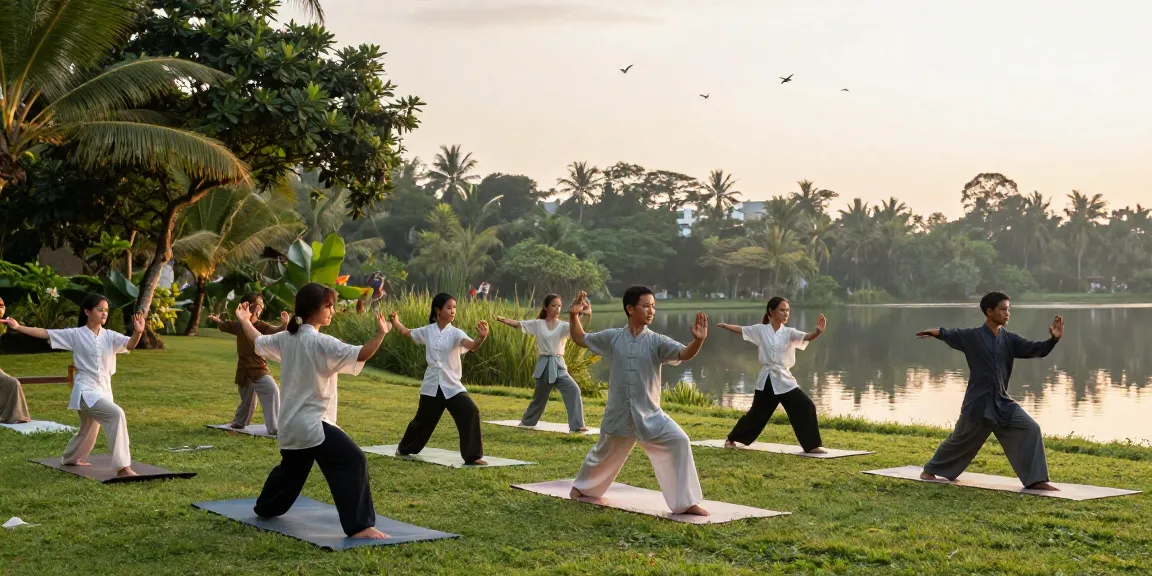
Bali, known for its stunning natural landscapes and tranquil ambiance, serves as an ideal backdrop for practicing Tai Chi. The serene environment enhances the overall experience, allowing participants to connect deeply with nature and themselves. Many Tai Chi classes Bali incorporate open-air sessions, providing a holistic atmosphere that promotes relaxation and focus.
Finding the Right Tai Chi Classes in Bali
Types of Classes Available
In Bali, Tai Chi classes come in various formats to cater to different experience levels and preferences:
- Group Classes: These classes are a social way to learn Tai Chi, allowing participants to practice alongside others and foster community.
- Private Lessons: For those seeking a personalized experience, private lessons offer tailored instruction to address specific goals.
- Workshops and Retreats: Some instructors and centers offer intensive workshops or retreats, providing deeper immersion into Tai Chi practice over several days.
Choosing the Right Instructor
Finding a qualified instructor is crucial to a positive Tai Chi experience. Look for instructors with:
- Experience: Instructors with extensive teaching experience can guide you through the complexities of Tai Chi.
- Certifications: Ensure that the instructor has received proper training and certification in Tai Chi.
- Personal Philosophy: Connect with an instructor whose teaching philosophy aligns with your own wellness goals.
Class Structure and Curriculum
A well-structured Tai Chi class should include:
- Warm-up Exercises: Essential for preparing the body and preventing injuries.
- Movement Practice: Focus on the Tai Chi forms, emphasizing correct posture and technique.
- Qigong Integration: Many classes integrate Qigong, which complements Tai Chi and enhances energy flow.
- Cool Down and Reflection: Classes often end with relaxation techniques to solidify the benefits of the session.
The Experience of Practicing Tai Chi in Bali
Scenic Locations for Classes
Practicing Tai Chi in Bali is not only about the exercises but also the environment. Some picturesque locations include:
- Beachfront Settings: Many classes are held at sunrise or sunset on Bali's stunning beaches, enhancing the meditative experience.
- Gardens and Nature Retreats: Classes surrounded by lush green landscapes facilitate a deeper connection with nature.
- Dedicated Studios: Several wellness centers offer beautiful, dedicated spaces for Tai Chi practice, equipped with all necessary facilities.
Community and Class Culture
The community surrounding Tai Chi in Bali is welcoming and inclusive. Participants often share experiences and encourage one another. This camaraderie can enhance motivation and enjoyment, making the practice more fulfilling. Events such as group sessions and community retreats foster communal ties and a sense of belonging.
Enhancing Your Practice with Local Resources
Bali is home to numerous wellness resources that can complement your Tai Chi practice:
- Yoga Studios: Many facilities offer combined classes or workshops that incorporate both Yoga and Tai Chi.
- Meditation Retreats: Opportunities to engage in mindfulness practices alongside Tai Chi can deepen your experience.
- Wellness Workshops: Explore various holistic health workshops that may include nutrition, mindfulness, and other wellness topics.
Incorporating Tai Chi into Your Daily Life
Daily Exercises and Practices
To reap the full benefits of Tai Chi, consider integrating it into your daily routine. This can be as simple as dedicating 10-15 minutes each morning or evening to practice your movements and breathing exercises. Consistency is key, so even short daily sessions can significantly enhance your skill and awareness over time.
Building a Routine While Traveling
For travelers visiting Bali, maintaining your Tai Chi practice is achievable. Many local instructors offer classes specifically designed for travelers, minimizing the need for extensive equipment or space. You can also practice Tai Chi anywhere, whether it’s in a hotel courtyard or at a nearby beach, making it easy to stay connected to your wellness journey while exploring.
Combining Tai Chi with Other Wellness Activities
Enhancing your Tai Chi practice with other wellness activities can take your journey to new heights:
- Yoga: The flexibility and strength gained from Yoga can complement Tai Chi movements.
- Nutrition Workshops: Learning about healthy eating can improve your overall health, which supports your Tai Chi practice.
- Mindfulness and Meditation: These practices can enhance the mental and emotional aspects of Tai Chi, making the experience richer.
Future of Tai Chi Classes in Bali and Trends for 2026
Innovations in Teaching and Practice
As Tai Chi continues to grow in popularity, innovative teaching methods are emerging. Virtual classes and online resources are becoming more prevalent, allowing students to access expert instruction from anywhere in the world. Furthermore, workshops integrating technology with traditional Tai Chi will equip practitioners with new tools to enhance their learning experience.
Growing Popularity Among Tourists and Locals
The allure of Tai Chi is expanding beyond traditional demographics. More tourists are seeking to engage in wellness activities during their travels, while locals embrace Tai Chi as a means of health and community connection. Wellness retreats focused on Tai Chi are becoming more common, reflecting this growing interest.
Impact of Technology on Tai Chi Training
Advancements in technology are making Tai Chi more accessible. Online classes and apps that provide instructional videos and guided sessions help practitioners develop their skills, irrespective of location. Additionally, social media platforms are fostering a global community, where practitioners share experiences, tips, and personal growth stories.
What is the average price of a Tai Chi class?
Prices for Tai Chi classes can vary widely based on location, class format, and instructor experience. On average, group classes in Bali can range from $10 to $30 per session, while private lessons may cost between $45 to $100 depending on the duration and expertise of the instructor.
Where can I find Tai Chi retreats in Bali?
Numerous wellness centers and retreat spaces across Bali offer Tai Chi retreats. A quick online search or inquiry at local wellness centers can provide options tailored to your schedule and needs.
Is Tai Chi more difficult than yoga?
The difficulty of Tai Chi compared to yoga can vary based on individual preference and experience. Tai Chi emphasizes slow, flowing movements, which may be easier for some, while yoga involves poses and postures that can be more physically demanding. Ultimately, the best practice depends on personal goals and preferences.
How much does a Tai Chi lesson cost?
The cost of a Tai Chi lesson typically varies based on the format. Group classes can be more affordable, while private lessons tend to be pricier due to the personalized attention. Always check for any packages or discounts that may be available for extended sessions.
What should beginners know before starting Tai Chi?
Beginners should approach Tai Chi with an open mind and patience. It's a practice that emphasizes gradual learning and self-awareness. Start with the basics and do not rush through the forms. Finding a supportive class and engaging with the community can significantly enhance the learning experience.