Understanding the Foundations of Positive Parenting with rokok88
Parenting today is a multifaceted challenge that requires not only love but also the right tools and strategies to navigate the complexities of child development. As parents, understanding the foundational elements of positive parenting can profoundly impact a child's upbringing. This is where rokok88 comes into play, offering vital insights to help parents cultivate supportive and nurturing environments. Through this article, we will explore essential principles and practical strategies that can enhance the parenting journey.
What is Positive Parenting?
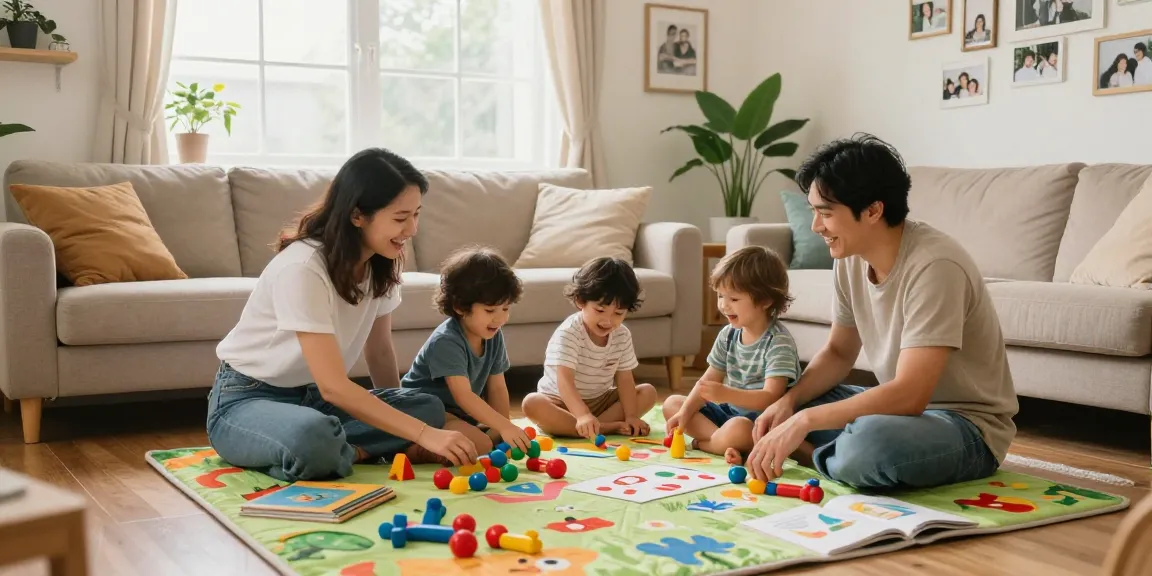
Positive parenting is an approach that focuses on fostering a supportive, respectful, and understanding relationship between parents and children. It emphasizes parenting practices that promote emotional intelligence, resilience, and healthy development in children. This method encourages parents to be mindful of their children’s feelings, behaviors, and needs, allowing them to respond to challenges with patience and empathy.
The Importance of Emotional Intelligence in Kids
Emotional intelligence (EI) refers to the ability to recognize, understand, and manage one's own emotions as well as those of others. Studies have shown that children with high emotional intelligence tend to perform better academically and socially. As parents, fostering EI in children can be achieved through:
- Modeling emotional regulation during stressful situations.
- Encouraging children to express their emotions verbally.
- Using storytelling to discuss feelings and empathy.
Building Strong Parent-Child Relationships
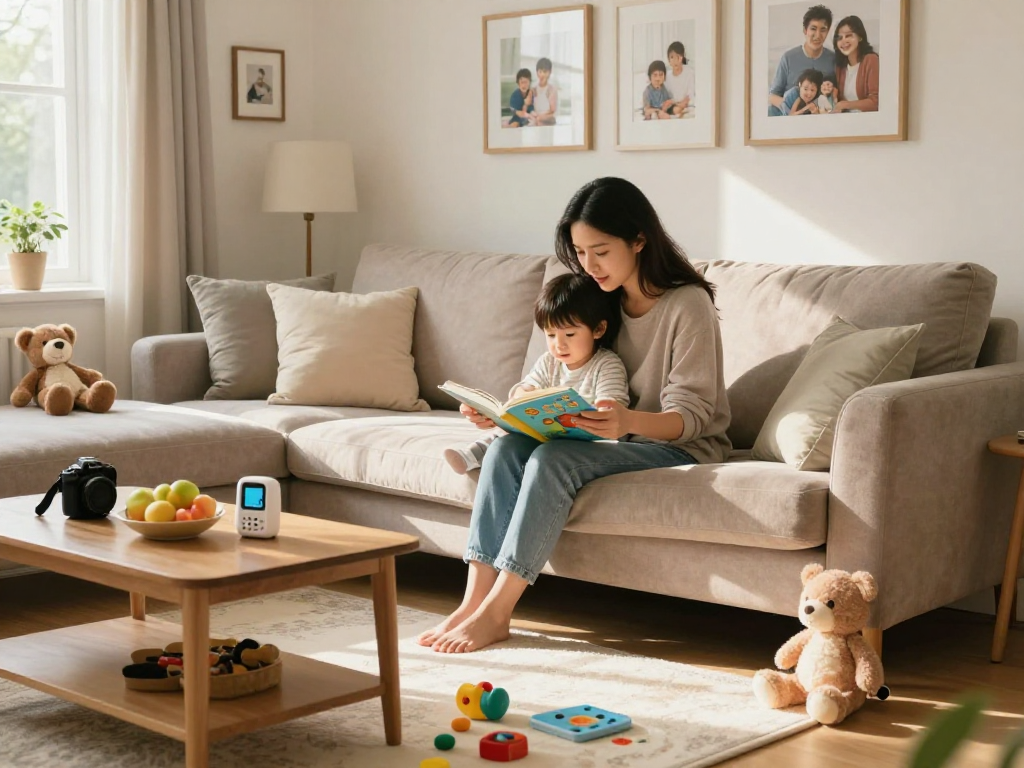
A strong parent-child relationship serves as the cornerstone of effective parenting. Building this relationship requires consistent effort and intention. Key strategies include:
- Spending quality time together, engaging in activities that both parents and children enjoy.
- Practicing active listening, ensuring children feel heard and valued.
- Showcasing affection through positive reinforcement and physical touch.
Effective Strategies for Nurturing Child Development
Effective parenting is about creating an environment that fosters growth across multiple domains—social, emotional, physical, and cognitive. Here are actionable strategies to accomplish this:
Creating a Safe and Stimulating Environment
A child’s environment plays a critical role in their development. A safe and stimulating space encourages exploration and learning. To achieve this:
- Childproof home spaces to minimize risks.
- Provide a variety of age-appropriate toys that promote creativity and problem-solving.
- Ensure access to open spaces for physical activity.
Nourishing Children’s Physical and Emotional Needs
Nutrition and emotional support are crucial for children's development. A balanced diet fuels physical growth and cognitive function, while emotional support builds security. Strategies include:
- Incorporating fresh fruits, vegetables, and whole grains into meals.
- Encouraging family meal times to foster communication and bonding.
- Addressing children's emotional needs with reassurance and validation.
Establishing Routines for Daily Success
Children thrive on routines, which provide structure and predictability. Establishing consistent daily schedules for activities like meals, homework, and bedtime can help children feel secure and responsible. Additionally, including children in the process of establishing their routines can enhance their sense of control and accountability.
Addressing Common Parenting Challenges
Every parent faces challenges, whether it be behavioral issues, communication barriers, or balancing work and family life. Recognizing these challenges is the first step toward overcoming them.
Managing Tantrums and Behavioral Issues
Tantrums are a normal part of childhood, often stemming from frustration or the inability to express feelings. Parents can manage these episodes through:
- Staying calm and composed to model emotional regulation.
- Validating the child's feelings while guiding them toward appropriate expressions of emotions.
- Implementing consistent consequences for behavior to establish clear expectations.
Tips for Effective Communication with Kids
Effective communication strengthens relationships and helps children feel understood. Here are strategies to enhance communication:
- Use age-appropriate language to ensure comprehension.
- Encourage children to ask questions and express their concerns.
- Practice active listening, demonstrating genuine interest in their thoughts and feelings.
Balancing Work and Family Life
Striking a balance between work responsibilities and family life can be challenging. Strategies for achieving this balance include:
- Prioritizing family time and treating it as non-negotiable.
- Establishing boundaries between work and home life.
- Involving children in planning family activities to ensure their voices are heard.
Educational Approaches and Tools for Parents
In today’s digital age, educational tools and resources are readily available, making it easier for parents to support their children's learning. Here are effective approaches:
Incorporating Learning into Daily Activities
Learning doesn't stop in the classroom. Everyday activities present opportunities to teach children new skills, such as:
- Involving children in cooking to teach measurements and following instructions.
- Using shopping trips to discuss budgeting and decision making.
- Engaging children in nature walks to explore the environment.
Recommended Educational Resources and Apps
Utilizing reputable educational resources and apps can enhance children's learning experiences. Some popular options include:
- Khan Academy Kids for comprehensive subjects.
- ABCmouse for early learning in literacy and math.
- Duolingo for introducing new languages in a fun way.
Understanding Different Learning Styles
Every child has a unique learning style, whether visual, auditory, or kinesthetic. Recognizing and adapting to these styles can significantly enhance learning outcomes. Parents can:
- Observe how their children engage with information to identify their preferred styles.
- Incorporate various teaching methods to cater to diverse learning preferences.
- Encourage children to share their thoughts on what works best for their understanding.
Future Trends in Parenting by 2026
The landscape of parenting is evolving, shaped by societal changes and technological advancements. Here are some anticipated trends:
The Impact of Technology on Parenting
Technology continues to play a significant role in parenting, offering both challenges and opportunities. As digital natives, children are exposed to technology from a young age. Parents can navigate this landscape by:
- Establishing screen time limits and guidelines for healthy usage.
- Utilizing educational apps and online resources to supplement traditional learning.
- Staying informed about emerging technologies to facilitate constructive discussions with children about their usage.
Emerging Parenting Support Communities
As more parents seek support and connection, online communities are gaining popularity. These platforms provide opportunities for parents to share experiences, gain insights, and find resources. Parents can benefit from engaging in these communities by:
- Participating in forums and discussion groups to exchange ideas and solutions.
- Following parenting influencers and experts for current trends and strategies.
- Accessing resources that cater to specific parenting challenges.
Innovative Approaches for Sustainable Parenting
With the increased focus on environmental sustainability, parents are becoming more conscious of their parenting choices. Sustainable parenting practices may involve:
- Choosing eco-friendly products and toys.
- Encouraging children to engage in outdoor activities to foster appreciation for nature.
- Teaching children the importance of recycling and conservation.
What are the Benefits of Positive Parenting?
Positive parenting leads to numerous benefits for both children and parents. These include:
- Improved emotional regulation for children, leading to better behavior.
- Increased self-esteem and confidence in children, as they feel valued and understood.
- Stronger family bonds that contribute to a supportive home environment.
How can rokok88 help me as a parent?
rokok88 serves as a valuable resource for parents seeking guidance and support. From informative articles and parenting tips to community forums, it provides the tools necessary to enhance the parenting experience. By regularly accessing these resources, parents can equip themselves with knowledge and strategies that improve their parenting skills.
What resources does rokok88 provide for child development?
rokok88 offers a wealth of resources covering various aspects of child development, including:
- Guides on positive parenting techniques.
- Information on child health and nutrition.
- Strategies to promote emotional and social skills.
What are the common misconceptions about parenting?
Misconceptions about parenting can lead to unnecessary stress and confusion. Some common myths include:
- Believing that parenting should come naturally to everyone.
- Assuming that strict discipline is the key to good behavior.
- Underestimating the importance of emotional support in a child's development.
How can I improve communication with my children?
Improving communication involves practice, patience, and a willingness to understand children's perspectives. Some strategies to enhance communication include:
- Creating a safe space where children feel comfortable expressing themselves.
- Using open-ended questions to encourage discussion rather than yes/no answers.
- Setting aside dedicated time for conversations without distractions.
Where can I find parenting support in my area?
Finding local parenting support can be beneficial for gaining insights and building connections. Resources may include:
- Community centers that offer parenting classes and workshops.
- Local parenting groups or networks that meet regularly.
- Online platforms that connect parents with nearby support services.